Trading Signals: Comprehensive Guide - Expert Tips
Published: 2026-04-14
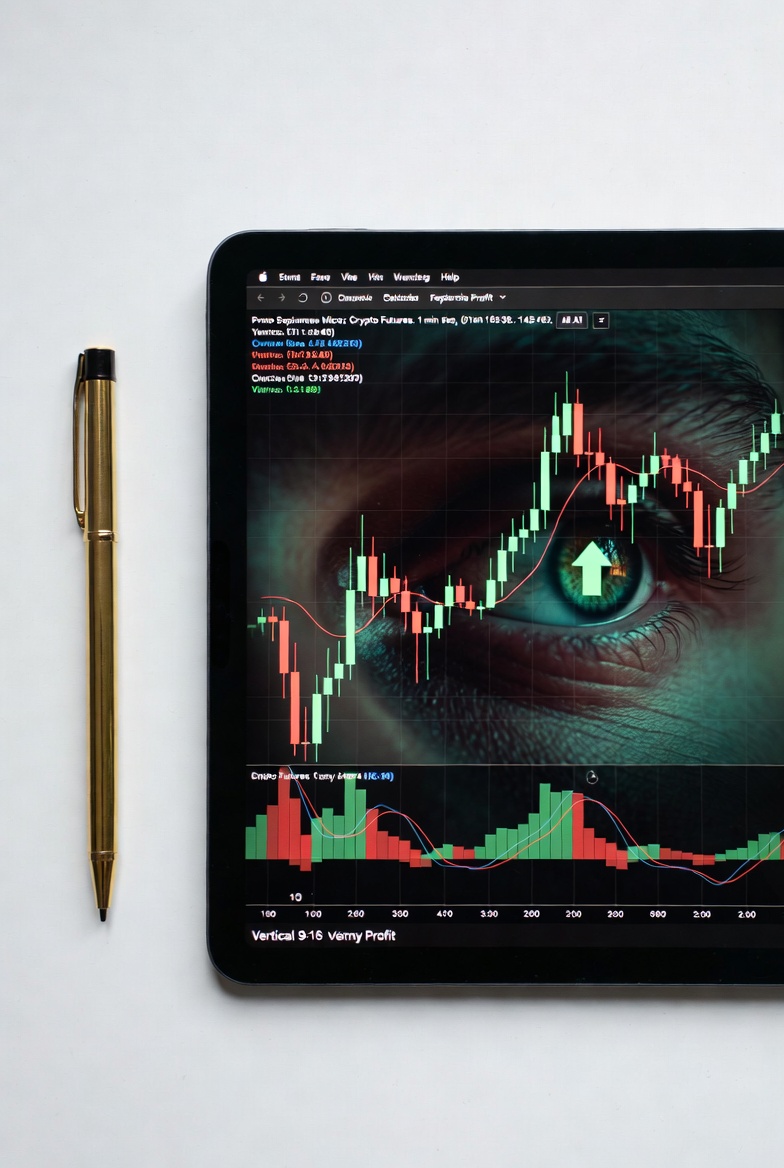
What Are Trading Signals?
Trading signals are recommendations or alerts that suggest a specific action for a particular cryptocurrency (digital money secured by math). These signals can indicate when to buy, sell, or hold an asset, often based on technical analysis or other market indicators. Think of them like a weather forecast for the crypto market, suggesting what might happen next.
These signals aim to help traders make informed decisions by providing potential opportunities. They are generated by various sources, including individual traders, automated software (bots), and specialized signal services. The goal is to simplify the complex process of analyzing market data.
How Trading Signals Work
Trading signals are typically generated by analyzing charts and patterns of cryptocurrency prices. Technical analysts look for specific formations, like "support" and "resistance" levels (price points where a cryptocurrency has historically struggled to go above or below), or "moving averages" (a way to smooth out price data to identify trends). When these patterns appear, they can trigger a signal.
For example, a signal might suggest buying Bitcoin (BTC) when its price crosses above a key moving average, indicating a potential upward trend. Conversely, a signal might recommend selling Ethereum (ETH) if it falls below a strong support level, suggesting a possible price drop. Automated trading bots can execute these trades automatically based on predefined rules.
Types of Trading Signals
Signals can be categorized in several ways. Some are based on "technical analysis" (studying past price movements and trading volumes to predict future prices), while others rely on "fundamental analysis" (evaluating a cryptocurrency's intrinsic value based on factors like its underlying technology, adoption, and team). Many signals combine both approaches.
You'll also find signals that are "real-time" (provided as events unfold) or "delayed" (sent out after an opportunity has already passed). Some signals are very specific, suggesting exact entry and exit prices, while others are more general, indicating a potential direction. Understanding the source and methodology behind a signal is crucial.
Risks Associated with Trading Signals
It's important to understand that trading signals are not foolproof and carry significant risks. No signal can guarantee profits, and relying solely on them can lead to substantial losses. The cryptocurrency market is highly volatile, meaning prices can change rapidly and unpredictably.
A signal might be based on flawed analysis, or market conditions could change unexpectedly, rendering the signal incorrect. For instance, a signal to buy might be issued just before a major news event causes a sharp price decline. Even well-intentioned signals can be wrong, and malicious actors may even sell fake signals to defraud traders.
The Financial Industry Regulatory Authority (FINRA) warns that signals can be particularly risky for inexperienced investors. They note that past performance is not indicative of future results, a common disclaimer in financial services. Misinterpreting a signal or acting too slowly can also result in losses.
Benefits of Using Trading Signals (with Caution)
When used cautiously and as part of a broader strategy, trading signals can offer some advantages. They can save you time by automating the process of market research and analysis. Instead of spending hours poring over charts, you can receive alerts that highlight potential trading opportunities.
Signals can also help beginners learn by observing the reasoning behind various recommendations. By comparing the signal's prediction with actual market movements, you can gradually build your understanding of technical and fundamental analysis. Some services provide detailed explanations for their signals, which can be educational.
Choosing a Trading Signal Provider
Selecting a reliable trading signal provider is paramount. Look for services with a proven track record, though remember that past performance is not a guarantee of future success. Many reputable services offer free trials, allowing you to test their signals before committing to a subscription.
Check reviews and testimonials from other users, but be wary of overly positive or unrealistic claims. A good provider will be transparent about their methodology and the risks involved. For example, some services might focus on specific altcoins (cryptocurrencies other than Bitcoin), while others might concentrate on major assets like Bitcoin and Ethereum.
According to a 2023 report by Grand View Research, the global cryptocurrency trading platform market was valued at $24.4 billion in 2022 and is expected to grow. While this report focuses on platforms, it highlights the significant interest and activity in the crypto trading space, including the demand for tools and services like trading signals.
Tips for Using Trading Signals Effectively
Never blindly follow trading signals. Always conduct your own research and due diligence before acting on a signal. Understand the cryptocurrency involved, the market sentiment, and any relevant news that might affect its price.
Start with a small amount of capital that you can afford to lose, especially when testing new signals or providers. Implement risk management strategies, such as setting stop-loss orders (automatic sell orders to limit potential losses) to protect your investment. For instance, you might decide to only risk 1-2% of your total trading capital on any single trade suggested by a signal.
Diversify your trading strategy. Don't rely on a single signal provider or a single type of signal. Combine signals with your own analysis and other trading tools to create a more robust approach. Treat signals as one piece of the puzzle, not the entire picture.
The Future of Trading Signals
The development of artificial intelligence (AI) and machine learning is likely to play an increasing role in the generation of trading signals. These technologies can process vast amounts of data far more quickly than humans, potentially identifying complex patterns and predicting market movements with greater accuracy.
As the cryptocurrency market matures, we may see more sophisticated signal services emerge, offering more personalized and adaptive recommendations. However, the fundamental principles of risk management, due diligence, and cautious decision-making will remain essential for any trader. The key will be to leverage these advanced tools while maintaining a critical and informed perspective.
Read more at https://cryptofutures.trading